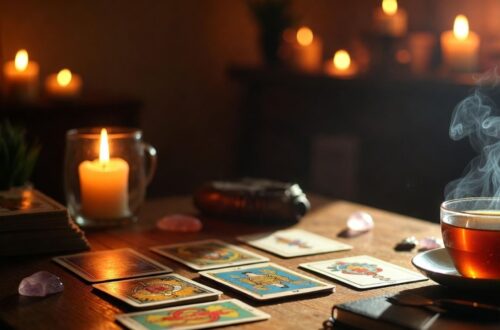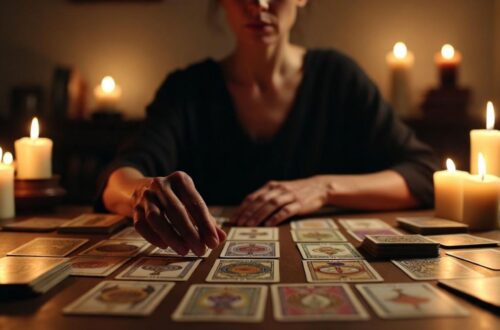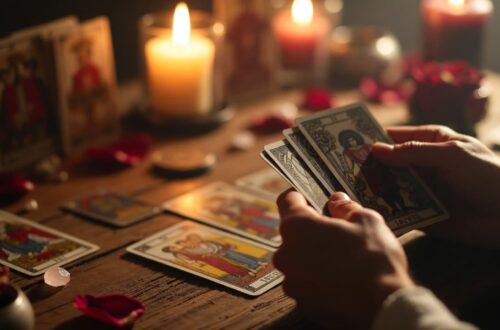
Tarot readings have been around for ages. Some people swear by them for guidance, while others think they’re just a bunch of random cards with pretty pictures. Either way, a lot of people do tarot readings these days—online, in person, even on apps. But it’s important to be aware of the perceived risks of tarot readings. Not always huge, life-ruining risks, but stuff that can mess with your head, your wallet, or even your relationships if you’re not careful.
Anxiety And Overthinking
Let’s start with the obvious one: tarot can make you anxious. You ask a question like, “Will I get that job?” or “Is my relationship going to last?” and suddenly you’re staring at cards that look kind of scary—like the Tower or the Ten of Swords. Even if the reader says it’s just a warning, some people take it very literally.
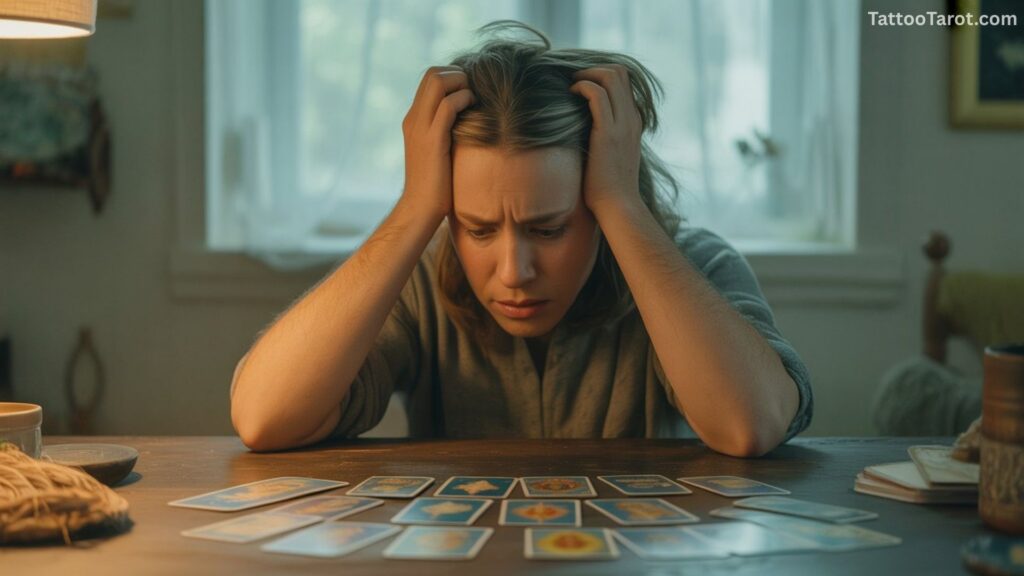
And here’s the thing—if you start depending on tarot readings to make every choice for you, it’s easy to get stuck. You might start second-guessing yourself all the time. That’s called divinatory dependence (fancy psychologist word). Basically, you rely on the cards too much and forget how to think for yourself.
Even if the cards are vague, your brain fills in the blanks. You see “conflict” and suddenly you’re imagining the worst-case scenario in your life. That’s the anxiety risk in a nutshell.
Confirmation Bias and Self-Fulfilling Stuff
Another messy thing is that tarot can mess with the way you think without you realizing it. People often notice what they want to notice in a reading. That’s confirmation bias.
For example, if you’re worried your partner is cheating, you’ll focus on the cards that suggest betrayal. Ignore the ones that look neutral or positive. Then, guess what? You act like your fears are real, even if they weren’t before, and suddenly your paranoia seems “proven.” Classic self-fulfilling prophecy.
So yeah, tarot can sometimes just feed your fears instead of actually helping.

Also Read: How Accurate Are Online Tarot Readings?
Emotional Vulnerability and Manipulative Readers
Tarot readings often get personal. Like really personal. If a reader is not ethical, they could use that against you. There are stories about people being pushed into buying more sessions, spending crazy amounts of money on “energy cleansings,” or being told scary things to make them keep coming back.
Even if it’s not that extreme, some readers just aren’t trained to handle mental health stuff. If someone is already stressed or depressed, a reading that “predicts” bad stuff can make things worse.
Social And Cultural Stuff
Tarot doesn’t exist in a vacuum. Some families or communities really frown on it. Doing tarot readings in those settings can get you in trouble—arguments, shame, guilt, or people thinking you’re “weird” or “bad.”
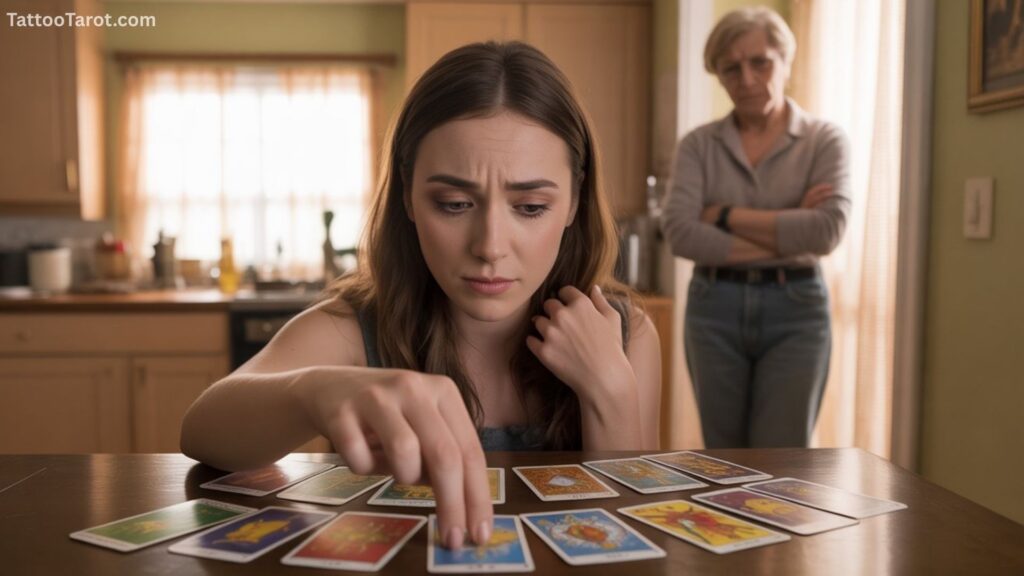
And then there’s cultural stuff. Tarot draws from a lot of different traditions—Kabbalah, astrology, symbolism from different eras. If you use tarot without understanding its history, some people say it’s cultural appropriation. Even if you don’t care about that, it can feel weird if it clashes with your own religious or moral beliefs.
Money Problems
Let’s not pretend tarot is always cheap. One reading might cost $20 or $50. But some people get hooked. You might start doing readings weekly, or even paying for special “rituals” or “curses” (yikes). If you’re emotionally vulnerable, that can add up fast.
Fraudulent tarot services exist too. There are people out there who know exactly how to scare you so you pay more. Money plus anxiety equals a bad combo.
Scientific Skepticism
From a science perspective, tarot is pseudoscience. There’s no proof that tarot can predict the future. Most of it works because of psychology—your brain fills in meanings, you connect the dots yourself, and you feel like the cards “knew” something.
The risk is when you treat tarot as literal truth. If someone uses a tarot reading instead of actual professional advice—like for money, health, or legal stuff—it can backfire big time.
How to Not Let Tarot Mess You Up
That’s a lot of scary stuff, but you don’t have to avoid tarot completely. A few tips:

- Keep it casual. Use tarot for self-reflection, not for life-or-death decisions. Ask questions like “What should I focus on?” instead of “Will I get rich?”
- Pick a good reader. Someone ethical, transparent about their fees, and not trying to scare you into buying more readings.
- Stay skeptical. Remember, cards are symbolic. Don’t blindly follow them.
- Don’t replace professionals. Tarot is not therapy, medical advice, or financial planning. Use it alongside real guidance.
Also Read: Career Tarot Reading Cards and Interpretations
Wrapping It Up
Tarot readings can be fun, enlightening, and even comforting if you approach them right. But there are real risks—psychological stress, dependency, financial exploitation, social pushback, and just plain misunderstanding. The cards themselves aren’t dangerous; it’s how we use them that matters.
If you stay mindful, choose ethical readers, and keep a healthy dose of skepticism, tarot can actually be a useful tool rather than a risk. But if you get too caught up, it can make life messier instead of clearer.
Frequently Asked Questions (FAQs)
Q. Are tarot readings actually real?
Ans: It depends what you mean by “real.” Tarot can’t predict the future with 100% accuracy. Most of the time, it’s more about self-reflection and thinking about your choices. But if you take it as literal truth, that’s when problems start.
Q. Can tarot readings cause anxiety?
Ans: Yes, they can. Some cards or interpretations can make people overthink or worry about stuff that hasn’t happened. If you’re prone to anxiety, it’s easy to get caught up in worst-case scenarios.
Q. Is it safe to rely on tarot for life decisions?
Ans: Not really. Tarot should be used as guidance or reflection, not as the sole reason for big decisions like quitting a job, ending a relationship, or investing money. Always combine it with rational thinking and expert advice.
Q. Can a tarot reader manipulate me?
Ans: Unfortunately, yes. Some people might try to scare you, pressure you to buy more readings, or make you feel dependent. That’s why it’s important to pick someone ethical and transparent.
Q. Is tarot a religious or spiritual risk?
Ans: Depends on your background. Some religions or families see tarot as bad or forbidden. Using tarot in that context could cause guilt, conflict, or social pushback.