If tarot cards keep showing up in your life — on Instagram, YouTube, or at a friend’s place — that’s usually how it starts. Just curiosity. A quiet “what is this about?”
Most people search How To Learn Tarot Cards Reading because they’re stuck, overthinking, or looking for clarity. Tarot isn’t movie-style magic or future prediction. It’s more like an honest conversation with yourself, using symbols instead of words.
In India, tarot has grown fast because it’s simple and not intimidating. You don’t need to be psychic — just curious, patient, and open to learning. Let’s break it down realistically, without the drama.
What Tarot Actually Is (And Why People Take It Seriously)
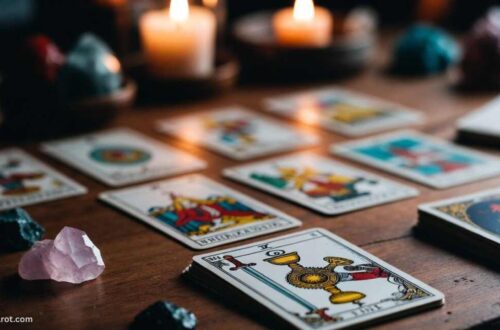
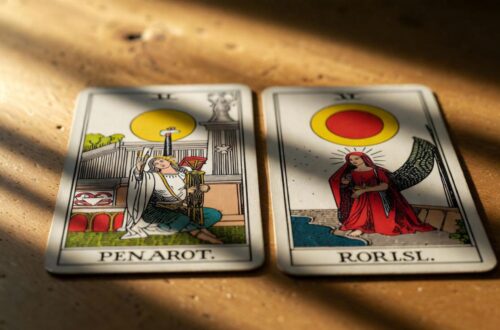
At its simplest, tarot is a deck of 78 cards. That’s it. No spells, no fancy requirements. Each card carries imagery and symbols that speak to different parts of life — emotions, decisions, fears, hopes, patterns.
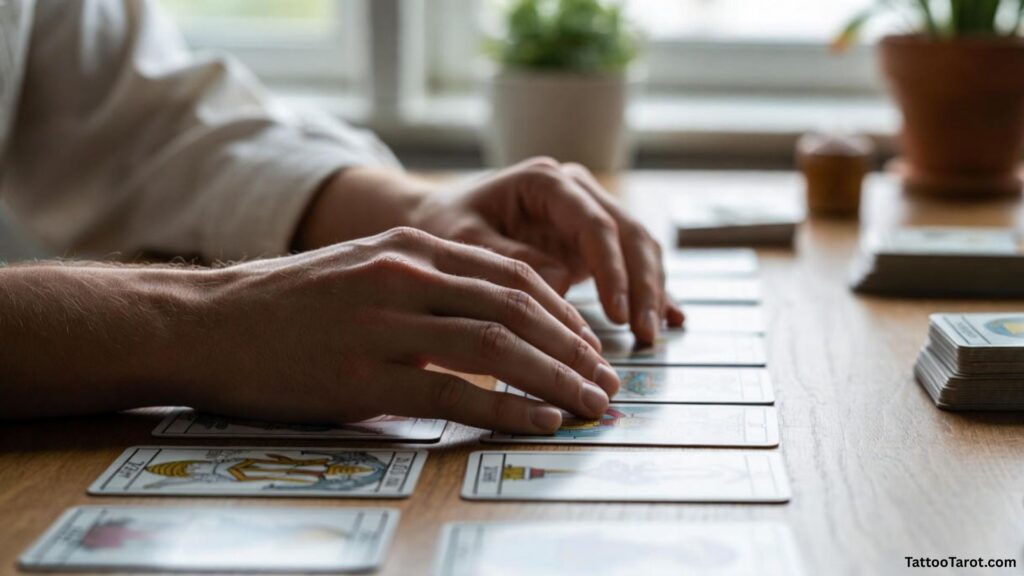
The deck is split into two main parts:
Major Arcana (22 cards)
These are the “big deal” cards. They talk about life phases, major shifts, lessons you keep running into. Stuff like starting over, breaking down old beliefs, falling in love, losing direction, finding purpose.
Cards like The Fool, The Tower, or The World aren’t literal. Death doesn’t mean someone dies. The Tower doesn’t mean a building collapses. They’re about internal experiences — endings, shocks, growth, resets.
Minor Arcana (56 cards)
These are more about daily life. Mood swings. Work stress. Relationship confusion. Money worries. Motivation. Communication issues.
They’re split into four suits:
- Cups – emotions, feelings, relationships
- Wands – action, energy, ambition
- Swords – thoughts, conflict, communication
- Pentacles – money, work, stability, physical life
Tarot matters because it slows you down. It forces you to look at what’s actually going on instead of what you wish was going on. Used well, it’s less about prediction and more about awareness.
Also Read: How To Do A Tarot Reading On Yourself – 2026
Choosing a Tarot Deck (Don’t Overthink This)
This part trips people up way too much.
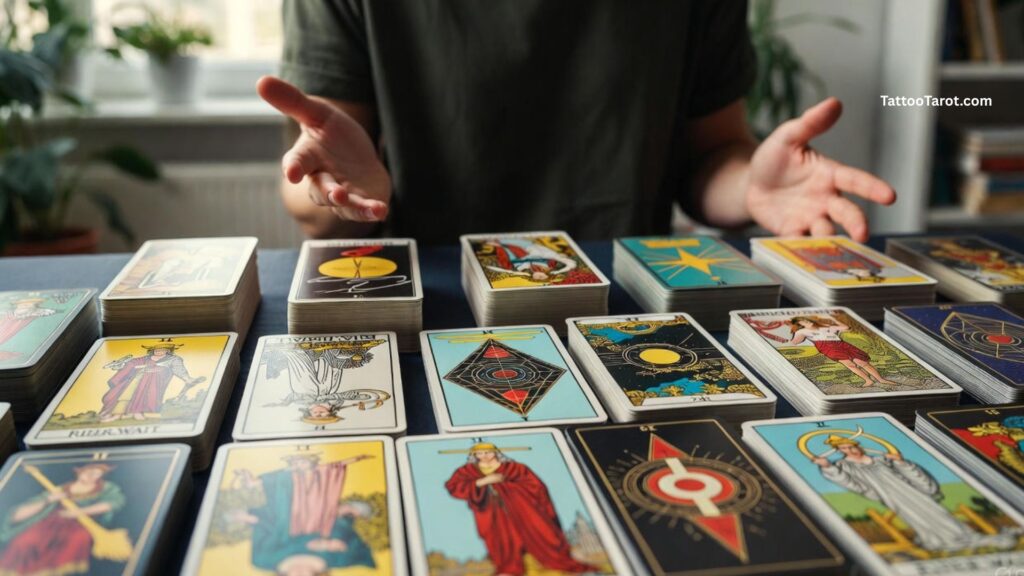
If you’re starting out, just get the Rider-Waite Tarot deck. Seriously. There’s a reason everyone recommends it. The imagery is clear, most learning material is based on it, and you won’t constantly feel confused.
Other decks like Thoth or Osho Zen are interesting, but they’re better once you understand the basics. Starting with a complicated deck is like learning to drive in traffic before you know where the pedals are.
When choosing a deck, notice how it feels. Not logically — emotionally. If the images make sense to you or spark reactions, that’s enough.
Once you get your deck, cleanse it. This doesn’t need to be dramatic. You can:
- Knock on it
- Hold it and set an intention
- Pass it through incense smoke
The point isn’t the method. It’s the pause. That moment where you mentally say, “Okay, this is mine now.”
Learning Tarot Card Meanings (Without Losing Your Mind)
Yes, there are 78 cards. No, you don’t need to memorise them all at once.
Most beginners start with keywords. That’s fine. Think of them as training wheels.
The Major Arcana gives you the backbone of tarot — life themes, transitions, growth cycles.

The Minor Arcana fills in the details — what’s happening emotionally, mentally, practically.
Cards can also come upright or reversed, which slightly changes the tone. Reversals add nuance, not drama. Sometimes they soften a meaning. Sometimes they point inward.
Here’s the important part:
At some point, the meanings stop being memorised and start being felt. That’s when tarot clicks.
Practicing Tarot Reading (This Is Where Learning Actually Happens)
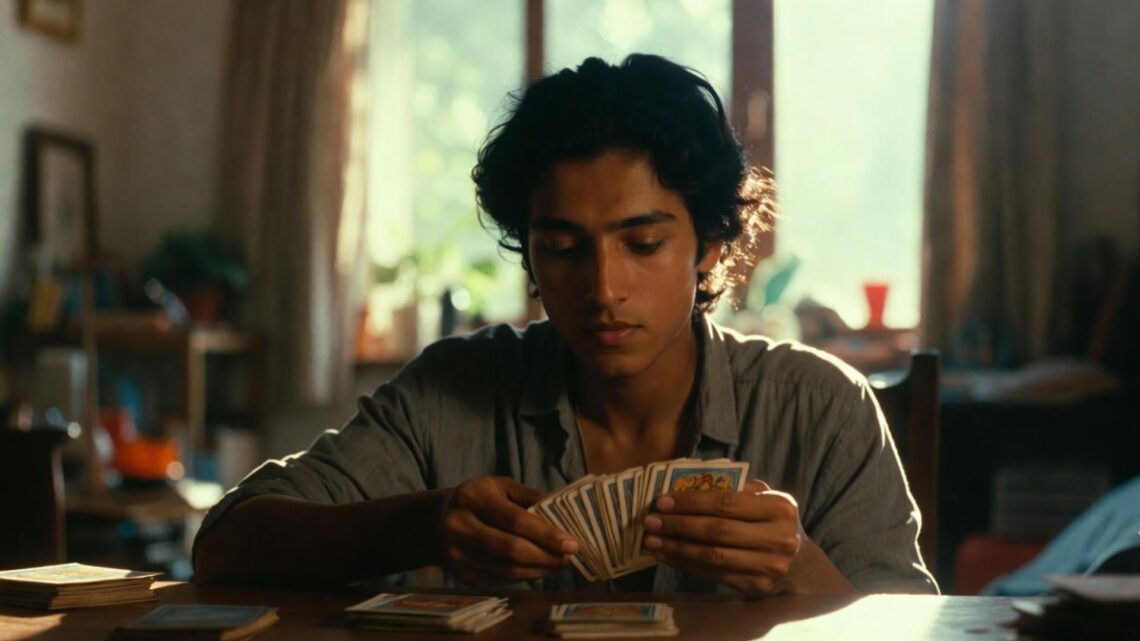
You can read ten books and still feel stuck if you don’t practice. Tarot is hands-on. Awkward at first. Slowly familiar.
Step 1: Cleanse and Connect
- Before a reading, take a breath. Shuffle slowly. Don’t rush.
- Set a simple intention. Nothing fancy. Just clarity.
- Tarot responds to focus, not force.

Step 2: Daily One-Card Pulls (Unsexy but Powerful)
This is boring advice. It also works.
Every day:
- Pull one card
- Ask, “What should I know today?”
- Write what you think it means
- At night, reflect. Did it show up emotionally? Situationally? Subtly?
- This builds intuition faster than anything else.
- Keep a tarot journal. It doesn’t need to be aesthetic. Messy notes are fine.
Step 3: Tarot Spreads (Start Small)
The three-card spread is your best friend.
Past – Present – Future
Situation – Challenge – Advice
Mind – Body – Spirit
Same layout, different questions.
Later, you can move into five-card spreads or the Celtic Cross, but don’t rush it. Complexity doesn’t equal skill.
Step 4: Ask Better Questions
Tarot hates vague questions.

Instead of:
“Will I be successful?”
Try:
“What should I focus on to improve my career right now?”
Avoid yes/no questions early on. Tarot works better when it can explain, not just answer.
Also Read: Tarot Card Combinations and What They Mean – 2026
Step 5: Trust Your Interpretation (Even When It Feels Wrong)
Guidebooks help, but they aren’t the final authority.
Look at:
- What grabs your attention in the card
- How it makes you feel
- How cards relate to each other
Sometimes a card means something personal to you. That’s not a mistake. That’s intuition developing.
Step 6: Read for Others (Carefully)
Start with friends who are open and respectful.
Don’t promise accuracy. Don’t predict disasters. Don’t play therapist.
Tarot is guidance, not control.
Step 7: Write Everything Down
Seriously. Write. Even when it feels pointless.

Over time, your notes become proof of growth. Patterns emerge. Confidence builds.
Common Beginner Mistakes (Everyone Makes These)
- Memorising without understanding
- Reading while emotionally overwhelmed
- Ignoring reversals completely
- Expecting instant mastery
None of this means you’re bad at tarot. It means you’re learning.
Learning Tarot With Structure (Why Courses Help)
Self-learning works, but it can get messy and confusing.
The Institute of Vedic Astrology (IVA) offers a structured online tarot course that helps fill the gaps — especially for Indian students who want something clear and practical.
What the Course Covers:
- All 78 cards explained clearly
- Practice exercises
- Video lessons + e-books
- Certificate of completion
- Lifetime access
It’s useful if you want confidence, consistency, or a professional path.
Final Thoughts
Learning tarot isn’t about becoming mystical overnight. It’s about slowing down, noticing patterns, and being honest with yourself.
Some days the cards make perfect sense. Some days they don’t. That’s normal.
If you stick with it, tarot becomes less of a tool and more of a language you slowly learn to speak.
If you want structure, guidance, and credibility, the Institute of Vedic Astrology is a solid option. If you want to explore casually, that’s fine too.
Just start. Shuffle the deck. Pull a card. Sit with it.
That’s how everyone actually learns.
Frequently Asked Questions (FAQs)
Q. How long does it actually take to learn tarot reading?
Ans: There’s no fixed timeline. Most people start feeling comfortable after a few months if they practice regularly. You can pull cards from day one, but understanding them deeply takes time — and that’s normal.
Q. Can I really learn tarot online, or do I need a teacher in person?
Ans: You can absolutely learn online. What matters more than location is structure and practice. As long as you’re consistent and actually use the cards, online learning works just fine.
Q. Do I need to be psychic or spiritually gifted to read tarot?
Ans: No. That’s a common myth. Tarot is more about observation, intuition, and self-awareness than special powers. Anyone willing to learn can read tarot.
Q. Do I need a certificate to become a tarot reader?
Ans: Not technically. You can read without one. But if you plan to read for others professionally, a certificate helps build trust and shows you’ve taken the learning seriously.
Q. Is tarot reading a realistic career option in India?
Ans: Yes, for many people it is. A lot of readers now work through Instagram, YouTube, WhatsApp, or private sessions. Like anything else, it depends on consistency, skill, and how you present yourself.